


manhua@sdmanhua.com
0086-0538-8997789
Unlike ordinary export goods, large‑scale imaging devices have three inherent vulnerabilities:
X‑ray tubes are precision optical components: The high‑precision rotating anode inside an X‑ray tube may suffer bearing failure or target surface cracks under severe vibration, which can render the tube completely unusable.
Flat‑panel detectors are sensitive to moisture and pressure: As high‑value precision components, DR flat‑panel detectors may develop defective image pixels or non‑compliant uniformity performance due to dampness or compressive stress.
Complete units are bulky with high centers of gravity: Gantries, upright columns and examination tables are large‑sized. Uneven stress during lifting and stacking easily causes structural deformation.
A single DR device can be worth tens of thousands to over one hundred thousand US dollars. Once a transport accident occurs, combined with round‑trip freight, port detention fees and repair expenses, total losses may wipe out profits from the whole order. Therefore, protective measures for ocean shipment are not optional but mandatory for medical‑device foreign trade businesses.
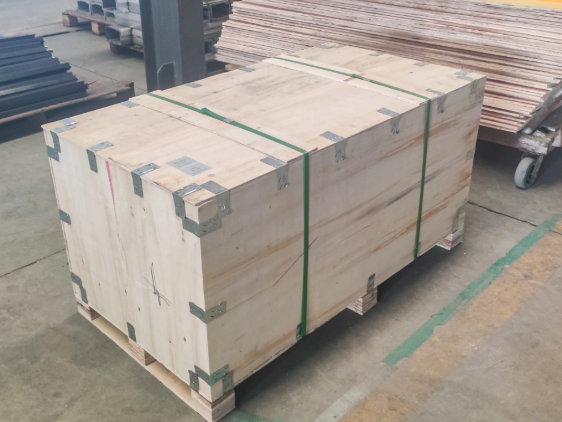
Export packaging for large‑scale imaging equipment is far more than simply putting goods into wooden crates. Hierarchical design is required:
| Protection Layer | Specific Actions | Protection Objective |
|---|---|---|
| Inner Layer: Separate packaging for precision components | Wrap X‑ray tubes and flat‑panel detectors with pearl cotton and bubble wrap; fit them into custom foam slots before sealing in individual small wooden crates. | Prevent collision and friction between components in transit. |
| Middle Layer: Shock absorption and fixation for complete units | Bolt equipment firmly to the base of the wooden crate. Fill surrounding gaps with foam or air columns to eliminate internal shifting of the equipment inside the crate. | Withstand jolts during ocean transit and impact caused by cargo displacement inside the container. |
| Outer Layer: Moisture and rain resistance | Seal the whole device with moisture‑proof film; place desiccants inside crates and cover wooden crates with rain‑proof film. Vacuum packaging is recommended for high‑risk scenarios. | Fight high‑humidity open‑ocean conditions and condensation inside shipping containers. |
Mandatory requirements for wooden crates: Use heat‑treated wooden crates complying with ISPM‑15 standards or ISPM‑15‑exempt plywood crates. Mark crates with upward arrows, fragile‑goods symbols, moisture‑warning labels, center‑of‑gravity markers and lifting‑point indicators. These marks guide port‑destination workers to conduct correct loading and unloading operations.
Shipping containers rock continuously amid ocean waves, and violent impacts may strike under rough sea conditions. Packaging cushioning alone is insufficient. It is recommended to affix ShockWatch impact indicators on key crates:
The indicator changes color once impact exceeds the preset threshold, enabling clients to spot rough handling upon receipt of goods.
If triggered, it suggests possible collisions in transit. Clients shall inspect goods before signing for acceptance.
This practice protects both the equipment and suppliers: if indicators remain intact upon delivery, subsequent damage cannot be simply attributed to ocean transportation.
Where conditions permit, install data loggers inside crates to record full‑journey temperature, humidity and vibration metrics. Exported data can support packaging optimization for future shipments.
Condensation inside containers caused by day‑night temperature fluctuations at sea constitutes the hidden top hazard for ocean shipments, rather than direct physical collisions. Water droplets falling onto equipment may corrode circuit boards or trigger mold growth on flat‑panel detectors within just a few days.
Moisture‑proof practices:
Place sufficient desiccants inside containers (5‑10 kg is suggested for a standard 20‑foot container).
Apply anti‑rust oil on exposed metal surfaces of equipment, especially for lenses and detector windows.
Seal circuit‑board modules in moisture‑proof bags.
Add extra aluminum‑foil vacuum packaging for tropical routes such as Southeast Asia, Africa and Latin America.
DR‑series devices are bulky and require forklifts or cranes for loading and unloading. Much equipment damage originates from improper handling instead of ocean transit itself:
Lift strictly at marked lifting points on wooden crates. Do not sling steel ropes arbitrarily, as this may deform crates and crush internal equipment.
Secure wooden crates firmly inside containers with lashing belts or wooden chocks to avoid tilting and collision with adjacent cargo during sailing.
Follow loading principles: heavy items below light‑weight ones, large‑size cargo below small‑size parcels. Do not stack cargo beyond printed stacking‑limit marks.
Arrange on‑site loading supervision for high‑priority orders. Take photos as evidence to confirm crates are well secured before container sealing.
Not all freight forwarders understand transporting large‑scale medical devices. Evaluate potential logistics partners against the following criteria:
| Evaluation Item | Significance |
|---|---|
| Proven medical‑device shipping track record | Teams familiar with handling DR machines, ultrasound systems and other medical cargo to avoid rough operations. |
| Cooperative local agents at destination ports | Timely support for customs clearance and pickup to minimize port‑storage detention time. |
| Capability to arrange adequate cargo insurance | Cover full‑journey ocean‑transport risks with insurance as a financial safety net for accident scenarios. |
| Container‑loading photography & on‑site supervision services | Full transparency of shipment procedures with photographic evidence for dispute resolution. |
Purchase Ocean Marine Cargo All Risks insurance, with the insured amount set at 110 % of cargo value.
Confirm policy coverage includes breakage, moisture damage and collision loss.
Keep loading photos, bills of lading and commercial invoices for insurance claim procedures if incidents occur.
Upon pickup, clients shall first inspect outer packaging: check wooden crates for breakage, water stains or tilting; verify the status of ShockWatch indicators.
If outer packaging shows abnormalities, take photos for documentation before unpacking. Do not sign for goods unconditionally.
After unpacking, cross‑check serial numbers and packing lists. Conduct power‑on testing and confirm proper equipment performance before final acceptance.
Once damage is identified, notify the insurance underwriter and freight forwarder immediately. Preserve on‑site evidence and file a claim within 48 hours.
Taking protective measures before goods leave the warehouse for large‑imaging‑device ocean shipments costs far less than remediation after accidents. Damage to an X‑ray tube upon arrival can generate combined expenses of round‑trip freight, component repair and client compensation that may erase profits from the whole transaction.
Manhua has years of practical experience exporting DR, X‑ray machines and other large‑scale imaging equipment. We offer mature solutions for export packaging and ocean‑transport protection, alongside complete shipment‑protection packages and technical support. Overseas medical‑equipment distributors and project procurement buyers are welcome to reach out for business cooperation.

Contact: Sophy Gee
Phone: 0086-185-6229-8780
Tel: 0086-0538-8997789
Email: manhua@sdmanhua.com
Add: No. 3699, Shanma Road, Shankou Town, Daiyue District, Tai'an City, Shandong Province
We chat


